Last updated:
Grand Cayman Vacation Planning Starts Here
Grand Cayman is the largest of the Cayman Islands. This Caribbean destination attracts families, couples, and adventure seekers each year. The island offers pristine beaches, world-class diving, and a safe, welcoming environment.
Most visitors arrive at Owen Roberts International Airport (GCM). You need no visa for most nationalities, which makes planning easier. The official language is English, so communication presents no barriers.
Your Grand Cayman vacation planning should include timing considerations. November through April offers the best weather. These months feature lower humidity and fewer rain showers. Temperatures stay warm and comfortable throughout the year at 28.2°C average.
The island covers just 197 km², making it compact and easy to navigate. You can explore major areas in a few days. Population sits at 69,000, keeping crowds manageable outside peak season.
How Many Days Do You Need in Grand Cayman

Three days is the minimum for a meaningful Grand Cayman experience. This timeframe lets you visit a beach, try snorkeling, and explore George Town. You'll experience the island's character without feeling rushed.
Five days allows more flexibility. You can spend two days on beaches, dedicate one full day to diving or water sports, and explore local food-restaurants and shops. Families appreciate the relaxed pace.
Seven days is ideal for most travelers. This duration lets you experience Grand Cayman fully. You can try multiple beaches, take diving certification courses, visit nature reserves, and enjoy nightlife or cultural experiences without pressure.
Ten to fourteen days suits serious divers and adventure travelers. The island offers enough activities for extended stays. Some visitors rent condos and settle in for island living experiences.
PRO TIP: Book your accommodation and car rental before arriving. Owen Roberts International Airport gets busy during peak months. Advance reservations save money and guarantee availability.
7-Day Grand Cayman Itinerary
Day 1: Arrival and George Town Exploration
Arrive at Owen Roberts International Airport on the eastern side of the island. Clear customs and pick up your rental car. Drive to your accommodation and rest after travel.
In the afternoon, head to George Town, the capital. Walk along the harbor and visit the Cayman Islands Museum. Browse local shops and restaurants along Camana Bay. Have dinner at a beachfront restaurant in the town area.
Day 2: Seven Mile Beach
Seven Mile Beach is the island's most famous strand. The beach stretches 5.5 miles along the western shore. The sand is soft and white. The water is calm and perfect for swimming.
Spend the morning swimming and relaxing. Bring sunscreen and reapply every two hours. The sun is intense here even on cloudy days. Grab lunch at a beach bar like The Reef Grill or Coconut Joe's Beach Bar.
In the afternoon, try snorkeling right from the beach. You'll see tropical fish and coral formations. Rental equipment is available at numerous shops. Families with children enjoy the shallow areas near shore.
Day 3: Water Sports and Adventure
Book a scuba diving or snorkeling tour for this day. Grand Cayman is world-renowned for diving. The island has over 200 marked dive sites. Stingray City is the most famous attraction for tourists.
Stingray City puts you in shallow water with dozens of southern rays. These creatures are gentle and curious. You can touch them and take photos. Tours include boat transportation and snorkeling gear. Most tours operate from the North Sound.
First-time divers can get certified on the island. PADI certification courses take three days. You'll receive open water certification recognized worldwide. Experienced divers explore deeper reefs and wreck sites.
Day 4: East End and Bodden Town
Drive east to explore the quieter side of the island. Visit Bodden Town, the original capital. This historic area has colorful buildings and local character.
Stop at Pedro St. James, a historic plantation house. The structure dates to 1780. Tours explain island history and culture. The setting overlooks beautiful Caribbean vistas.
Continue to East End beaches. Colliers Beach and Gun Bay offer fewer crowds than Seven Mile Beach. Bring a picnic lunch. Swim in the calm waters and explore tide pools.
Day 5: Nature and Conservation
Visit the Queen Elizabeth II Botanic Park. This 65-acre garden showcases native plants and wildlife. Walking trails wind through different botanical zones. You'll see orchids, palms, and tropical flowers.
Explore the adjacent Blue Iguana Habitat. Grand Cayman's blue iguanas are endangered. The habitat protects and breeds these unique reptiles. You can see them up close and learn about conservation efforts.
In the afternoon, visit Hell. This small limestone formation has a distinctive name. A popular photo spot exists at the Hell Post Office. Locals enjoy tourists taking pictures at the "Hell" sign.
Day 6: Relaxation and Local Culture
Take it easy today. Return to Seven Mile Beach or try a new beach. Rum Point offers a laid-back vibe. The northern beach has calm waters and fewer commercial crowds.
Enjoy lunch at a local restaurant. Try Cayman conch salad, a local specialty. Taste fresh seafood at places like The Fishery or Sunshine Grill. Sample Johnny cake, a fried cornbread traditional to the islands.
Visit the Cayman Islands Museum in George Town if you missed it on Day 1. Learn about pirate history, shipwrecks, and island heritage. The museum is small but informative.
Day 7: Departure or Extended Time
Spend your final morning at your favorite beach. Buy souvenirs at gift shops. Visit the Cayman Islands Brewery if interested in local beverages.
Pack your bags and prepare for departure. Head to Owen Roberts International Airport for your flight home. Allow extra time for check-in during peak travel days.
PRO TIP: Rent a car for more flexibility. Public transportation exists but is limited. Driving lets you explore at your own pace. The island has good roads and clear signage.
3-Day Grand Cayman Itinerary

Day 1: Arrival and Seven Mile Beach
Arrive at Owen Roberts International Airport. Rent a car or arrange transportation to your hotel. Most accommodations cluster near Seven Mile Beach on the western shore.
Spend the afternoon at Seven Mile Beach. Swim in the calm waters. Relax on the white sand. Grab an early dinner at a beachfront restaurant.
Day 2: Water Activities and Shopping
Book a half-day snorkeling or diving excursion. Stingray City is the top choice. You'll return by early afternoon.
Visit Camana Bay for shopping and dining. This modern development has upscale shops, casual restaurants, and a movie theater. Browse local crafts and souvenirs.
Watch the sunset from Seven Mile Beach. Sunsets here are spectacular. Many restaurants offer sunset cocktails and appetizers.
Day 3: History and Departure
Visit George Town in the morning. Tour the Cayman Islands Museum or explore the colorful streets. Grab lunch at a local spot.
Head to Owen Roberts International Airport for your evening flight. You'll depart with memorable experiences of Grand Cayman's best attractions.
Grand Cayman Travel Budget Guide
Accommodation Costs
Budget hotels and guesthouses charge reasonable rates. Expect to pay per night for basic rooms with private bathrooms. Mid-range hotels offer more amenities and beachfront locations.
Vacation rentals and condos provide good value for groups and families. Split among multiple travelers, costs decrease. Many rentals include kitchens, reducing food expenses.
High-end resorts charge premium prices, especially during peak season. Rates increase significantly from December to March.
Food and Dining
Grocery stores exist in George Town and other town centers. Buy food for self-catering if your accommodation has a kitchen. This approach cuts meal costs significantly.
Casual beachside restaurants offer affordable meals. Street food vendors sell inexpensive local fare. Food trucks near beaches serve conch salad and other local dishes.
Upscale restaurants cost more. Fine dining establishments in George Town and Camana Bay charge premium prices. A casual meal costs less than fine dining.
Activities and Entertainment
Many beach activities are free. Swimming, snorkeling from shore, and beach walks cost nothing. Beaches around the island are publicly accessible.
Guided tours and water sports require payment. Diving certification courses cost more than single dives. Group snorkeling tours are cheaper per person than private charters.
Museum entries and attraction fees are moderate. The Cayman Islands Museum and Botanic Park charge admission. Many visitors budget for these experiences.
Transportation
Car rentals are available but expensive. Insurance and gas add to costs. Public taxis exist but charge per trip. Negotiate rates before entering taxis.
Walking is free in town areas. Many hotels and resorts are within walking distance of attractions. Biking is another option on quiet roads.
Currency and Costs
The Cayman Islands dollar is the official currency. One KYD equals approximately 1.22 USD. Many places accept US dollars directly.
Grand Cayman is more expensive than other Caribbean islands. Imported goods cost more. Local produce at markets is cheaper than imported items at supermarkets.
PRO TIP: Visit during shoulder season (April or November) for lower prices. Hurricane season (June to November) brings discounts but weather risks. Pack travel insurance for peace of mind.
Best Time To Book Your Grand Cayman Trip
Peak Season (December To March)
Peak season runs from December through March. This period offers the best weather. November through April is officially the best time to visit. Expect warm days and minimal rain.
Peak season brings higher prices and larger crowds. Hotels book up months in advance. Popular tours fill quickly. Book accommodations and activities early.
Christmas and New Year weeks are the busiest and most expensive. Escape these weeks if possible for better rates.
Shoulder Season (April and November)
April and November offer good weather at lower prices. Temperatures remain warm and pleasant. Rainfall increases slightly but remains manageable.
Crowds decrease during shoulder season. Hotels offer discounts compared to peak months. Restaurants and tours feel less crowded. This is an ideal time for budget-conscious travelers.
Book two to three months in advance for shoulder season travel. You'll secure good rates without last-minute scrambling.
Summer Season (May To October)
Summer is hot and humid. Afternoon thunderstorms are common. Hurricane season officially runs June through November. Risk exists but direct hurricanes are rare.
Summer prices are the lowest of the year. Hotels offer significant discounts. Families with school flexibility save money traveling in June or September.
Tourist numbers drop significantly. Restaurants and attractions are quiet. You experience Grand Cayman with fewer crowds.
Booking Timeline
Book peak season travel four to six months in advance. Secure flights and accommodations early for the best availability.
Shoulder season bookings can happen two to three months ahead. Last-minute deals sometimes appear two to four weeks before travel dates.
Summer travel can be booked just weeks ahead. Flexibility with dates in summer yields the best bargains. Many travelers book one to two weeks before departure.
Packing List for Grand Cayman
Clothing and Footwear
- Lightweight, breathable clothing in neutral colors
- Shorts and t-shirts for daily wear
- One or two casual dresses or shirts for dining out
- Swimsuits (bring two or three)
- Light jacket or sweater for air-conditioned spaces
- Comfortable walking shoes
- Flip-flops or sandals
- Water shoes for rocky beaches
- Hat or visor for sun protection
Sun and Water Protection
- High SPF sunscreen (at least 30)
- Lip balm with SPF
- Sunglasses with UV protection
- Rash guard or swim shirt for water activities
- Reef-safe sunscreen (protects coral)
- After-sun lotion or aloe vera
- Insect repellent for mosquitoes
Toiletries and Medications
- Prescription medications in original bottles
- Over-the-counter pain relievers
- Antacids
- Anti-diarrhea medication
- Decongestant or allergy medication
- Personal toiletries (toothbrush, toothpaste, soap)
- Deodorant
- Feminine hygiene products if needed
- Prescription eyeglasses or contacts
Electronics and Documents
- Passport (valid for at least six months)
- Travel insurance documents
- Flight confirmations and hotel reservations
- Credit cards and some cash (KYD or USD)
- Phone charger and power adapter
- Camera or smartphone for photos
- Portable charger for devices
Beach and Activity Gear
- Snorkel gear (optional; rentals available)
- Beach towel
- Waterproof phone case
- Dry bag for belongings during water activities
- Light backpack for day trips
Most items are available in Grand Cayman if you forget something. Pharmacies in George Town and shopping centers stock common items. Prices are higher than in your home country.
PRO TIP: Pack reef-safe sunscreen. Regular sunscreen damages coral ecosystems. Grand Cayman works hard to protect its reefs. Support conservation by using reef-safe products.
Frequently Asked Questions
Do I Need a Passport To Visit Grand Cayman?
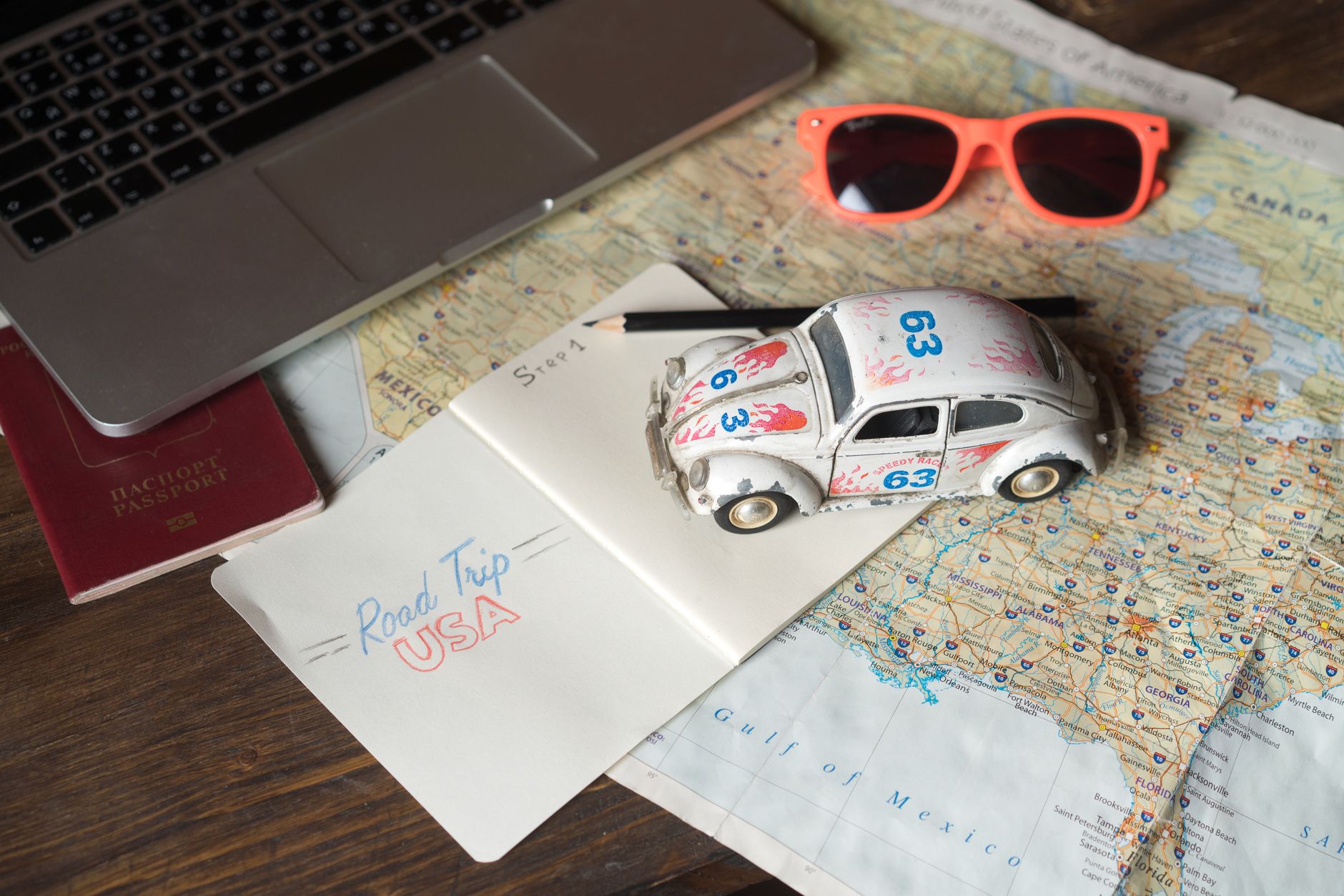
Yes, you need a valid passport to enter Grand Cayman. Your passport must be valid for at least six months beyond your intended stay. Most nationalities receive a visitor permit upon arrival without pre-applying for a visa. Verify your specific country's entry requirements before booking. The US Embassy website provides current information for American citizens. Citizens of other nations should check their government's travel advisory resources.
What Is the Best Month To Visit Grand Cayman?
March and April offer the best combination of weather and smaller crowds. November through April is the official peak season with ideal weather conditions. December through February bring the most visitors and highest prices. If you prefer fewer tourists and lower costs, visit April or November. These shoulder months have warm temperatures and lower humidity than summer. Avoid June through October during hurricane season when tropical storms occur more frequently.
How Much Does a Week in Grand Cayman Cost for a Family of Four?
Budget accommodations and self-catering meals can reduce costs significantly. Mid-range hotels, casual dining, and some paid activities typically run between moderate and high expense ranges. Actual costs depend on accommodation choice, dining preferences, and activity selection. Peak season costs 30 to 50 percent more than shoulder season. Consider buying travel insurance to protect your investment. Book accommodations early for better rates regardless of season.
Is Grand Cayman Safe for Tourists?
Grand Cayman is one of the Caribbean's safest destinations. Violent crime against tourists is rare. Petty theft occurs occasionally in crowded areas, so watch your belongings. Avoid displaying expensive jewelry or electronics. Stick to main tourist areas and well-established restaurants. Police presence is visible in town centers. Most travelers experience no safety issues. Use common sense travel practices you would follow in any unfamiliar place.
Can Beginners Learn To Scuba Dive in Grand Cayman?
Yes, Grand Cayman is an excellent place for dive certification. PADI open water courses take three days and are available at multiple dive shops. Instructors have extensive experience teaching beginners. The calm, clear waters near shore are perfect for learning. Certified divers can explore deeper reefs and famous wreck sites. Snorkeling is a safer alternative if diving seems too intimidating. Many visitors try both activities during their stay.