allisles.com
Grand Cayman
allisles.com
Grand Cayman

Grand Cayman: Complete Caribbean Travel Guide
Visa Free
Last updated:
Quick Facts
- Location: Cayman Islands
- Visa Required: No (visa-free for most nationalities)
- Currency: Cayman Islands Dollar (KYD)
- Language: English
- Best Months: November, December, January, February, March, April
- Average Temperature: 28.2°C (82°F)
- Nearest Airport: Owen Roberts International Airport (GCM)
- Area: 197 km²
- Population: 69,000
About Grand Cayman
Best forAll travelers seeking a complete Caribbean island experience
Grand Cayman is the largest island in the Cayman Islands. Located at coordinates 19.3133, -81.2546, this Caribbean gem attracts visitors from around the world. The island covers 197 square kilometers and is home to approximately 69,000 residents. Grand Cayman overview travelers will find a perfect blend of natural beauty and modern amenities.
The island features pristine beaches, world-class diving opportunities, and excellent food-restaurants. Georgetown, the capital, offers shopping, dining, and cultural attractions. English is the official language, making communication easy for visitors. The Cayman Islands Dollar (KYD) is the local currency, though many businesses accept US dollars.
Grand Cayman has earned its reputation as one of the Caribbean's premier destinations. The government maintains high standards for tourism infrastructure and safety. Visitors find clean beaches, well-maintained roads, and professional service throughout the island. The island's commitment to environmental protection keeps attractions pristine and natural.
Water sports dominate the island's recreational offerings. Scuba diving is exceptional here, with numerous dive sites suitable for all skill levels. Snorkeling, paddleboarding, and boating are equally popular. The island's coral reefs and marine life attract enthusiasts worldwide. Land activities include hiking, shopping, cultural tours, and wildlife viewing at local nature reserves.
Why Visit Grand Cayman

Best forFamiliescouplesadventure seekersand relaxation-focused travelers
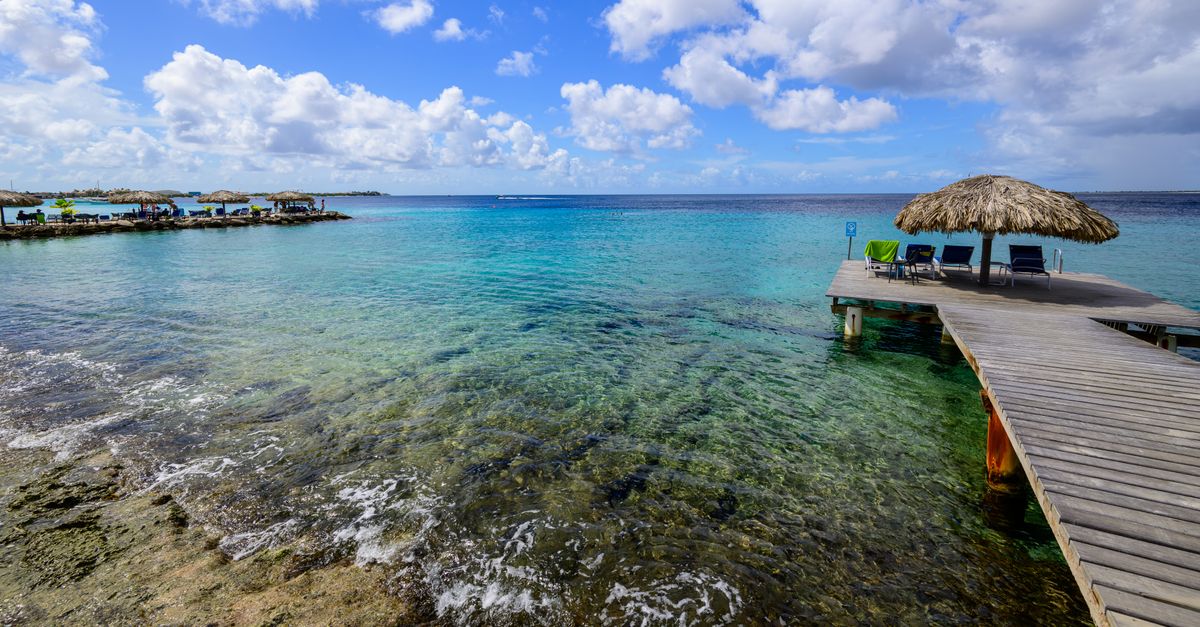
Grand Cayman offers something for every traveler type. The island's main attraction is undoubtedly its exceptional diving and snorkeling. Seven Mile Beach consistently ranks among the world's best beaches. The sand is white and powdery, the water is warm and clear year-round, and the setting is genuinely spectacular.
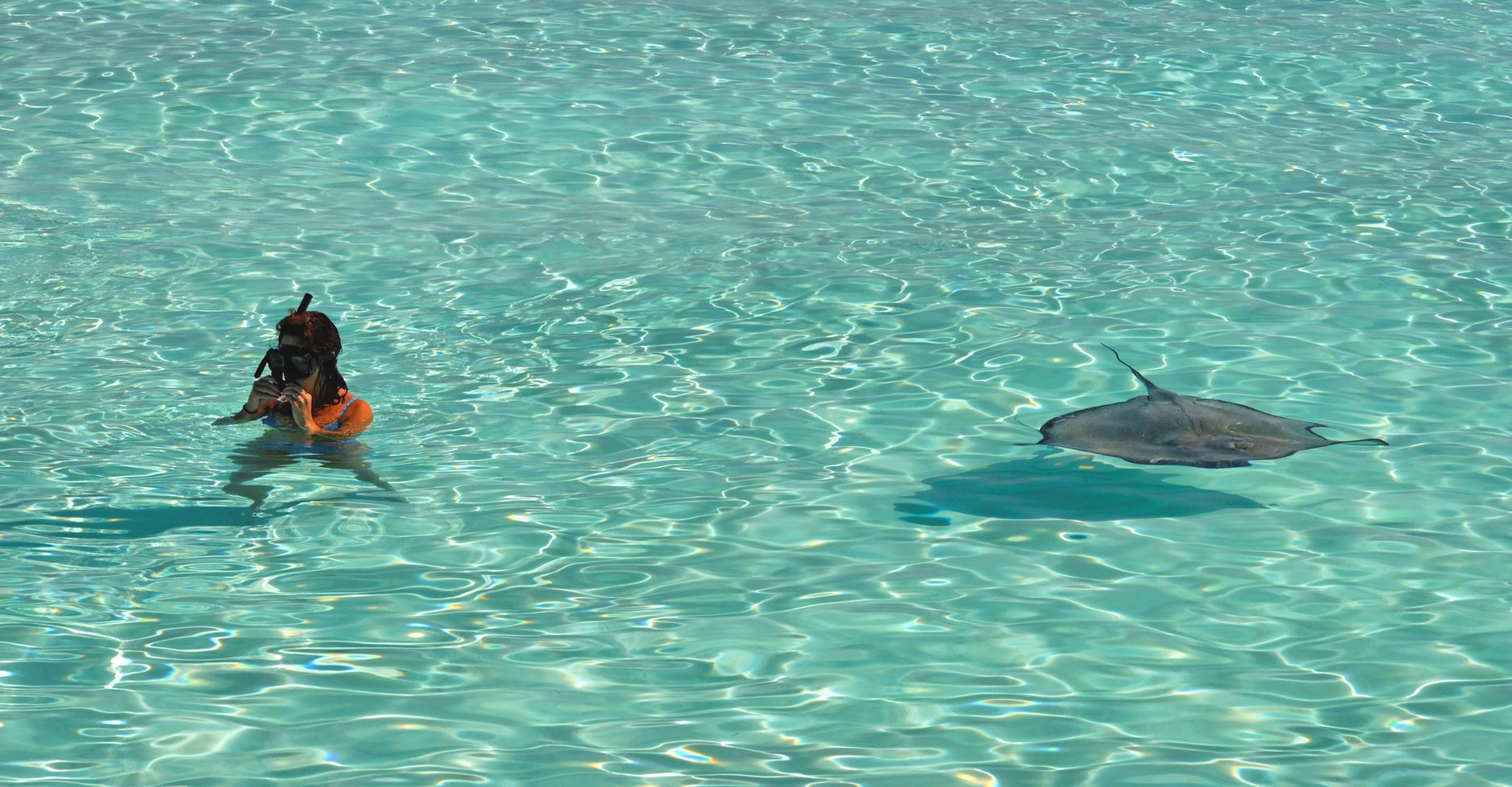
Marine conservation efforts have made Grand Cayman a sanctuary for sea turtles and rays. Stingray City allows visitors to interact with Southern stingrays in their natural habitat. This unique experience attracts thousands of visitors annually. The rays are gentle and accustomed to human interaction, making the encounter safe and memorable.
Beyond water activities, Grand Cayman offers diverse cultural experiences. The Cayman Islands National Museum showcases local history and maritime heritage. The Pedro St. James historic house provides insight into colonial Caribbean life. Local art galleries feature works by Caribbean artists. These attractions appeal particularly to culturally curious travelers.
The island's food scene rivals larger Caribbean destinations. Fresh seafood, international cuisine, and local Caymanian dishes satisfy diverse palates. Restaurants range from casual beachside shacks to upscale fine dining establishments. Food tours and cooking classes offer immersive culinary experiences. The island's culinary reputation continues to grow year after year.
Safety and cleanliness set Grand Cayman apart from many Caribbean islands. The government maintains strict environmental standards. Roads are well-maintained, and the island feels secure and orderly. This makes solo travel, family travel, and luxury travel all viable options on the island.
PRO TIP: Book water activities in advance during peak season (November to April). Popular dive operators and tour companies fill up quickly. Advance booking guarantees your preferred times and ensures availability for specialized experiences like night diving or private snorkeling tours.
Grand Cayman for Families
Best forFamilies with children of all ages
Families consistently choose Grand Cayman for vacations because the island caters well to children. Seven Mile Beach offers calm, shallow waters perfect for young swimmers. Lifeguards patrol regularly, and the beaches are monitored for safety. Shallow reef areas near the shore allow children to snorkel without venturing deep.
Stingray City is a family favorite that kids never forget. Children and parents alike enjoy swimming with gentle rays. The experience is thrilling yet safe when guided by experienced operators. Tours typically last two to three hours and include snorkeling at nearby reefs. Most operators accept children ages five and older on tours.
The Cayman Islands Turtle Centre offers educational encounters with endangered sea turtles. Children learn about turtle conservation while observing these magnificent creatures up close. Touch pools allow hands-on interaction with young turtles. The facility also features native plants and other island wildlife. Educational programs teach kids about marine ecosystem protection.
Boatswain's Beach is a dedicated water park featuring pools, water slides, and beach activities. Families spend entire days here enjoying slides and splash areas designed for various age groups. The facility includes food options and shade areas for parents. Annual passes offer good value for families visiting multiple times during their stay.
Land activities appeal to families seeking breaks from beach time. The Cayman Islands National Museum teaches history through interactive exhibits. Junior ranger programs engage children in environmental education. Hiking trails at Mastic Trail offer family-friendly walking through native forest. The trail is well-marked and relatively easy, lasting about 90 minutes round trip.
For budget-conscious families, many beaches have free entry and no parking fees. Beaches like Smith's Reef and East End beaches provide excellent snorkeling without tour costs. Local parks offer free outdoor activities. Family restaurants offer good value meals without sacrificing quality or taste.
Grand Cayman for Couples

Best forHoneymoonersromantic getawaysand couples celebrating special occasions
Couples choose Grand Cayman for romantic beach vacations and special occasion celebrations. Seven Mile Beach provides the perfect setting for sunset walks and beachside dinners. The beach's consistent beauty and reliable weather make it ideal for romantic planning. Many upscale restaurants offer private tables overlooking the ocean.
Sunset watching is a cherished activity for couples on the island. The western beaches offer unobstructed views of the sun dipping below the ocean horizon. North Sound provides equally stunning sunset views. Couples often combine sunset viewing with dinner reservations at nearby restaurants. Popular spots fill quickly during peak season, so advance reservations are wise.
Couples diving trips create shared adventure and memories. Many operators offer specialized "couples diving" experiences with romantic elements like underwater photography. Non-diving partners can snorkel nearby while their significant other dives. Unique experiences like night diving appeal to adventurous couples. Private boat charters can be arranged for exclusive experiences away from crowds.
Luxury resorts and boutique hotels cater specifically to couples. Private beach access, spa services, and romantic room packages are standard offerings. Many properties arrange special celebrations for anniversaries and honeymoons. All-inclusive resorts simplify planning by bundling meals, drinks, and activities. Luxury travelers appreciate the personalized service and attention to detail.
Spa experiences provide relaxation and bonding time for couples. Many resorts offer couples massages in beachfront settings. Wellness retreats combine spa services with yoga and healthy cuisine. After-spa relaxation areas feature views of the ocean. Spa treatments often incorporate natural local products and traditional Caribbean techniques.
Grand Cayman for Solo Travelers
Best forIndependent travelersbackpackersand adventure seekers
Solo travelers feel safe and comfortable on Grand Cayman. The island has low crime rates and excellent police presence. Well-lit areas, busy tourist zones, and helpful locals make navigation easy. English is the primary language, eliminating communication barriers for English-speaking visitors. These factors combine to make solo travel stress-free and enjoyable.
Group activities and tours provide natural meeting opportunities for solo travelers. Dive boat excursions bring together travelers from around the world. Snorkeling tours, beach clubs, and restaurants with communal seating encourage social interaction. Many solo visitors form friendships that extend beyond their trip. Group activities take the pressure off finding company for meals and activities.
Budget accommodation options exist throughout the island. Guesthouses and smaller hotels offer lower rates than large resorts. Shared hostel-style accommodations provide cheap lodging and built-in social opportunities. Budget travelers can enjoy the island without excessive spending. Beach time, hiking, and free attractions keep costs manageable.
Solo travelers enjoy the independence to create personalized itineraries. Rent a car or use local buses to explore at your own pace. Visit multiple beaches on a single day if desired. Take spontaneous detours to discover hidden spots other tourists miss. The island's manageable size makes independent exploration relatively easy.
Photography enthusiasts find endless subjects on the island. Sunrise shoots from Eastern Point offer golden light and minimal crowds. Sunset photography at Seven Mile Beach attracts many talented photographers. Underwater photography during snorkeling or diving provides unique images. Local nature reserves offer wildlife photography opportunities.
PRO TIP: Solo divers and snorkelers should join group tours rather than going alone. Buddy systems exist for safety reasons in water activities. Group tours provide built-in safety partners and enhance the experience through social interaction. Many group tours cost less than private guided options anyway.
Best Time To Visit Grand Cayman

Best forAll travelers seeking optimal weather and experience
The best months to visit Grand Cayman are November through April. These months offer dry weather, comfortable temperatures, and calm seas. Average temperature during this season is 28.2°C, feeling warm without being excessively hot. Lower humidity makes outdoor activities more enjoyable. Peak tourism occurs during this period, particularly December and January.
December and January see the most visitors and highest prices. Winter weather in North America and Europe drives visitors to Caribbean destinations. Holiday vacations fill resorts and attractions. Hotel rates increase significantly. Advance booking becomes essential for securing accommodations and tours. Popular restaurants require reservations weeks in advance.
February through April offer pleasant weather with fewer crowds than December and January. Spring break brings families in March, but early April quiets considerably. Hotel rates decrease compared to December and January. Beaches feel less crowded, and restaurants accommodate walk-ins more easily. These months represent the sweet spot for many travelers: good weather without peak crowds.
May through October is the off-season when fewer tourists visit. Prices decrease substantially during these months. Hurricane season technically begins in June, though Grand Cayman rarely experiences direct hits. Rain increases during summer months but typically comes in short afternoon showers. Travelers visiting during off-season should monitor weather forecasts and purchase travel insurance.
Summer months (June through August) offer the lowest prices of the year. Families visit during school breaks despite rain concerns. Many tourists appreciate the reduced crowds and budget-friendly pricing. The island's infrastructure and attractions operate normally year-round. Budget travelers save significantly by visiting during off-season months.
Getting To Grand Cayman
Best forAll travelers planning transportation
Owen Roberts International Airport (GCM) is the primary entry point for visitors. Most international flights arrive here from the United States, Canada, and Europe. The airport is modern and efficient, handling flights well. It's located on the eastern side of the island, about 20 minutes from Seven Mile Beach. Rental cars, taxis, and shuttle services transport visitors from airport to accommodations.
Direct flights arrive from major North American cities. Cayman Airways, United Airlines, and other carriers serve the route. Flight times from Miami are approximately one hour. Flights from New York take about four hours. Connections through Miami or Cancun are available for travelers from other regions. Book flights in advance during peak season for better rates and availability.
Visa requirements are straightforward for most visitors. Grand Cayman is visa-free for citizens of many countries, including the United States, Canada, and European Union nations. Visitors receive a tourist stamp upon arrival valid for tourism purposes. Verify stay limits for your specific nationality before traveling. Return or onward travel tickets and valid passports are required at check-in.
Getting around the island requires planning. Rental cars provide maximum flexibility for exploring independently. International driver's licenses are accepted. Driving is on the left side of the road. Traffic is generally light outside of Georgetown during rush hours. Gas stations are conveniently located throughout the island.
Public transportation via bus is available but less convenient for tourists. Buses operate on fixed routes and schedules. Payment is made in cash to drivers. Tourist information centers provide bus route maps. Taxis operate from the airport and throughout the island. Agree on fares before entering taxis, as meters are uncommon.
Ride-sharing apps operate on the island but with limited availability compared to major cities. Book rides in advance if using app-based services. Shuttle services offered by resorts and tour companies provide convenient transportation. Many travelers combine rental cars with tour operator transportation for different activities.
Frequently Asked Questions
What Is the Best Beach on Grand Cayman?
Seven Mile Beach is widely considered the best and most famous beach on Grand Cayman. The beach stretches nearly five miles along the western shore with pristine white sand and clear turquoise water. The shallow waters near shore make it perfect for families and snorkelers. Water sports facilities, restaurants, and accommodations line the beach, making it highly convenient. If you prefer quieter beaches with fewer crowds, consider Smith's Reef or East End beaches instead.
Is Grand Cayman Safe for Tourists?
Yes, Grand Cayman is one of the safest Caribbean destinations for tourists. The government maintains strong law enforcement and infrastructure standards. Crime rates are low compared to other Caribbean islands. Visitors should exercise standard precautions like avoiding isolated areas at night and securing valuables. Georgetown has areas to avoid after dark, but tourist zones remain safe and well-patrolled. Overall, Grand Cayman offers a secure environment for solo travelers, families, and couples.
How Much Money Should I Budget for a Trip To Grand Cayman?
Budget depends on your travel style and dates. Luxury travelers budget 300 to 500 USD daily for accommodations, dining, and activities. Mid-range travelers typically spend 150 to 300 USD daily. Budget travelers can visit for 75 to 150 USD daily using guesthouses, local restaurants, and free beaches. Peak season (December to March) costs more than off-season. All-inclusive resorts simplify budgeting by including meals and activities. Activities like diving cost 100 to 150 USD per experience regardless of season.
Do I Need Travel Insurance for Grand Cayman?
Travel insurance is highly recommended but not required. It protects against flight cancellations, medical emergencies, and lost luggage. Medical costs are expensive in Grand Cayman, making health insurance especially important. Adventure activities like diving are often covered under specialized policies. Purchase insurance before departure for best coverage. If visiting during hurricane season (June through October), comprehensive travel insurance provides financial protection against weather-related disruptions and trip cancellations.
What Should I Pack for a Grand Cayman Vacation?
Pack light, breathable clothing suitable for warm, tropical weather. Bring reef-safe sunscreen as the sun is intense. Include a hat, sunglasses, and light rain jacket for occasional showers. Bring swimwear, snorkeling gear (though rentals are available), and comfortable walking shoes. Casual attire works for most restaurants, but some upscale establishments require collared shirts for men. Bring any prescription medications from home. Underwater camera equipment captures vacation memories. Modest clothing is respectful for visits to cultural sites and local communities.