Last updated:
Planning your Caribbean getaway means choosing the right time to arrive. The Grand Cayman best time to visit depends on your priorities and budget. You might prefer dry weather, calm seas for diving, or fewer crowds. Grand Cayman offers something special year-round, but some seasons suit different travelers better than others.
This island sits in the western Caribbean, about 268 kilometers south of Cuba. It experiences a tropical climate with warm temperatures throughout the year. The island sits at coordinates 19.3133, -81.2546 and covers 197 square kilometers. About 69,000 people call Grand Cayman home, and English is the official language.
Grand Cayman Weather by Month
Grand Cayman stays warm every month, which is excellent news for beach lovers. Temperatures rarely drop below 24°C (75°F), even during the coolest months. From November through April, daytime highs hover around 27 to 28°C (80 to 82°F). These cooler months bring the most comfortable conditions and lowest rainfall.
May through October sees warmer temperatures reaching 30 to 31°C (86 to 88°F). Humidity increases during these months, making afternoons feel hotter. Rain becomes more frequent and heavier during this period. Tropical storms and hurricanes can develop from June through November, though direct hits remain rare.
January and February represent the absolute driest months on the island. Sunshine dominates the daily forecast, with minimal rain expected. Trade winds keep the air fresh and comfortable even on hot afternoons. These months attract the most visitors seeking perfect weather conditions.
March and April continue the dry pattern but see temperatures starting to climb. Humidity gradually increases as spring progresses. Rain remains relatively light and brief when it does occur. May marks the transition toward the wet season with more frequent afternoon showers.
September and October represent the wettest months of the year. Rain can fall for several consecutive days. Tropical activity peaks during this time, increasing hurricane risk. Despite the rain, many travelers visit for discounted accommodations and empty beaches.
Peak Season in Grand Cayman

Peak season runs from November through April, when millions of North Americans escape winter. Visitors flock to Grand Cayman for guaranteed sunshine and warm days. Hotels, food-restaurants, and attractions overflow with guests during December through February. Prices for accommodations increase significantly during these months.
December brings holiday travelers and Christmas vacation crowds. Families with school-age children drive up occupancy rates to nearly 100 percent. New Year's Eve and Week attract party-seekers to resorts and bars across the island. Popular beaches like Seven Mile Beach become packed with swimmers and sunbathers.
January maintains high visitor numbers as winter travelers extend their stays. Presidents' Day weekend in February creates another surge of American visitors. Spring break seasons vary by school district, but March typically sees increased family travel. Easter holidays also drive up visitor numbers during March and April.
Resort rates during peak season run 40 to 60 percent higher than shoulder season. Flight availability becomes limited, so advance booking is essential. Restaurants popular with tourists require reservations weeks in advance. Car rentals and water activities book up quickly during peak months.
Despite crowds and higher costs, peak season offers unmatched weather certainty. Sunny days are virtually guaranteed, with minimal rain expected. The warm but not oppressively hot temperatures suit all activities. Water temperatures stay pleasant for swimming and diving at 26 to 27°C (79 to 81°F).
PRO TIP: Book accommodations three months in advance for peak season. Early bookings secure better rates and location choices. Consider visiting in late November or early April for fewer crowds and still excellent weather.
Shoulder Season: Best Value
Shoulder season includes May through June and September through October. During these months, prices drop 20 to 40 percent compared to peak season. Fewer tourists mean shorter restaurant wait times and less crowded attractions. You'll enjoy a more authentic experience with local residents.
May and June represent the transition from dry to wet season. Early May still feels like peak season with limited rain. By late June, afternoon showers become regular but usually brief. Hotel occupancy drops noticeably as families prepare for summer schedules. Prices decrease as visitor demand falls.
September and October mark the end of summer travel but before peak season returns. Hurricane season peaks during these months, though direct impacts remain uncommon. Rain becomes more frequent and heavier than other shoulder months. Storm conditions occasionally cancel water activities for a day or two.
Shoulder season travel requires flexibility regarding outdoor plans. Afternoon thunderstorms can develop suddenly but typically pass within 30 minutes. Having indoor backup activities ensures enjoyable days regardless of weather. Water visibility may decrease during rainy periods due to runoff, affecting diving conditions.
Many travelers successfully visit during shoulder season and encounter excellent conditions. Weeks can pass with minimal rain and abundant sunshine. Ocean conditions remain suitable for swimming and diving even in September and October. Planning flexibility allows you to experience Grand Cayman affordably.
Rainy Season in Grand Cayman

The rainy season extends from May through October, with peak rainfall in September. This period sees tropical moisture move across the Caribbean regularly. Rain typically falls in afternoon showers rather than all-day storms. Morning hours often remain dry and perfect for beach activities.
August, September, and October experience the heaviest rainfall and highest humidity. Hurricane season officially runs June through November, peak from August through October. While direct hurricane hits remain infrequent, tropical storms do occasionally impact the island. Travelers during this period should purchase comprehensive travel insurance.
Despite the rain label, many sunny days occur during rainy season. Precipitation averages around 15 to 20 centimeters monthly during peak months. This translates to several rain-free days each week in most years. Planning activities around afternoon showers allows full enjoyment of the island.
Water conditions change during rainy season due to freshwater runoff. Diving visibility decreases from the typical 30 to 50 meters to potentially 15 to 25 meters. Salt water balance shifts temporarily in shallow areas near streams. Despite these changes, diving remains excellent and popular during rainy season.
Accommodations cost 50 to 70 percent less during peak rainy season. Restaurant reservations become unnecessary as crowds disappear. Water activities and tours still operate regularly throughout rainy months. Car rentals and attraction admissions remain affordable and readily available.
PRO TIP: Visit in early May or late October for rainy season benefits with lower storm risk. These shoulder months offer discounted rates while maintaining better weather conditions. Bring a lightweight rain jacket and plan indoor activities for afternoon storms.
Best Time To Visit Grand Cayman for Families
Families with school-age children typically visit during school holidays and summer break. December and January offer perfect weather coinciding with winter break. Spring break in March provides warm weather and manageable crowds compared to peak season. Summer vacation from June through August suits families with flexible schedules.
November through April provides ideal family conditions with minimal rain and comfortable temperatures. Children enjoy swimming in warm water without dealing with cold ocean temperatures. Calm seas mean safer conditions for young swimmers and snorkelers. Outdoor activities rarely get disrupted by unexpected rain during these months.
Seven Mile Beach offers family-friendly conditions with gentle waves and shallow entry points. The sand is soft and perfect for building sandcastles. Lifeguards patrol the beach during peak season, adding extra safety for families. Restaurants near beaches offer casual dining without requiring long sittings.
Water sports like snorkeling appeal to families with older children. Calm conditions and excellent visibility make learning safer and more enjoyable. Many operators offer family packages and child-sized equipment. Beginner divers can obtain certification on the island through experienced instructors.
Rainy season from June through October presents challenges for families with young children. Unpredictable afternoon showers require frequent indoor activity adjustments. Higher humidity levels may stress young children unused to tropical climates. However, families comfortable with weather flexibility find excellent value and fewer crowds.
Best Time To Visit Grand Cayman for Diving
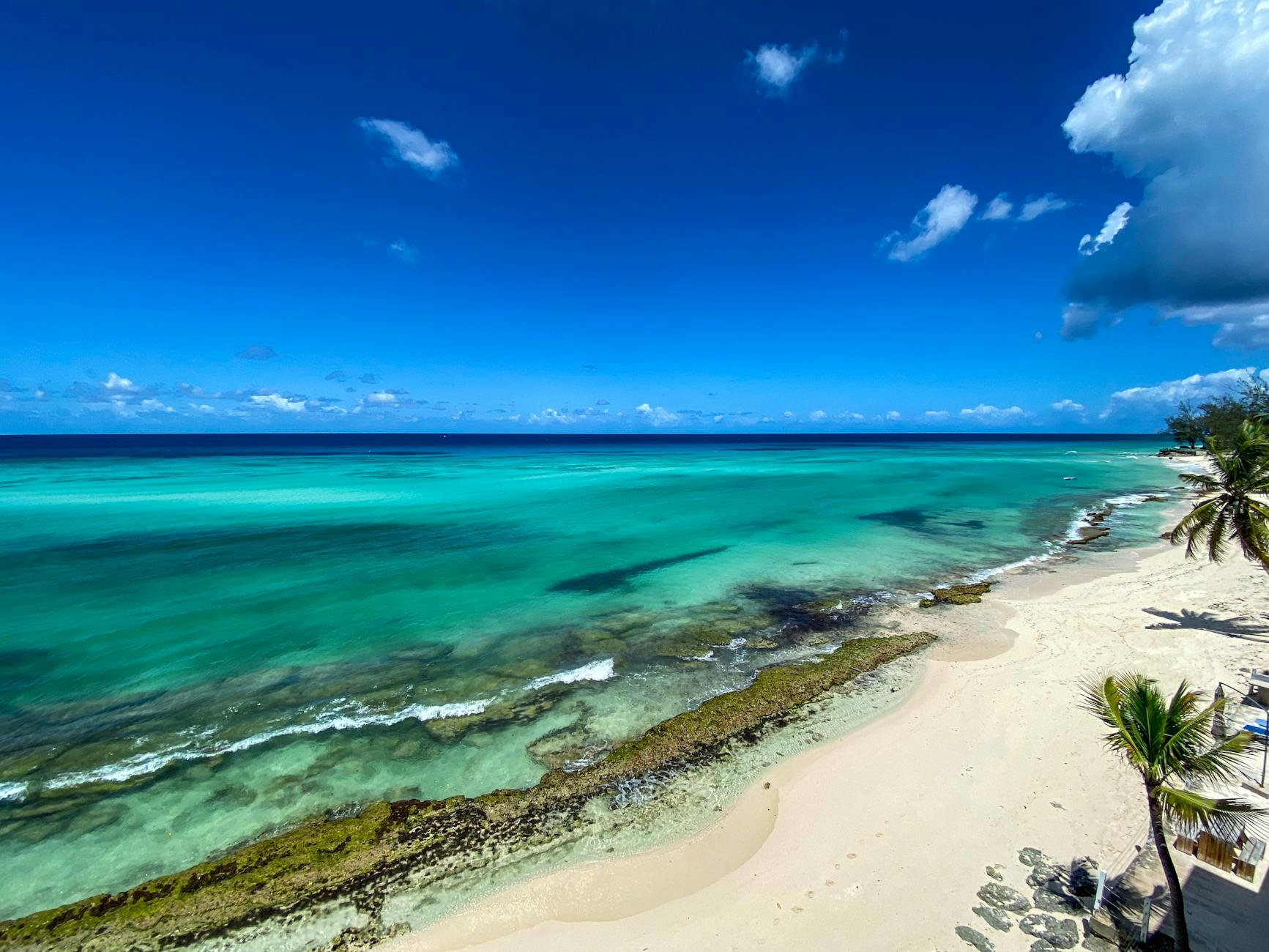
Grand Cayman ranks as one of the world's premier diving destinations. The island offers excellent diving conditions year-round, but certain periods excel. Water visibility, sea conditions, and weather combine to create optimal diving windows. Planning your visit timing around diving preferences ensures the best underwater experience.
November through April provides the clearest water visibility and calmest seas. Visibility often exceeds 40 meters during these months under ideal conditions. Light rainfall keeps water clear as runoff remains minimal. Trade winds keep ocean surfaces calm, making boat dives safer and more comfortable.
December through March represents peak diving conditions across the island. The Bloody Bay Marine Park off Little Cayman offers world-class wall dives. The North Wall near Cayman Brac plunges to incredible depths with pristine coral formations. Stingray City allows safe interaction with southern stingrays in their natural habitat.
May through June sees good diving conditions despite increasing rainfall. Water visibility remains acceptable at 25 to 35 meters typically. Afternoon showers increase but don't significantly impact diving operations. These months offer fewer divers, meaning less crowded popular sites.
September and October present rainy season diving with visibility sometimes decreasing to 15 to 25 meters. Freshwater runoff temporarily affects salt water balance in shallow areas. Deep dives at wall sites remain excellent despite poor surface visibility. Storm conditions occasionally force temporary dive site closures for safety.
Most dive operators maintain full schedules year-round on Grand Cayman. Equipment rentals and certification courses continue regardless of season. Night diving opportunities exist throughout the year with proper lighting and experience. Experienced divers find opportunities every month if they time visits properly.
PRO TIP: Book diving trips between November and March for guaranteed excellent visibility and calm seas. Bring a certification card if you're already trained. If you need certification, completing courses in peak season ensures the best conditions for learning fundamental skills.
Frequently Asked Questions
What Is the Best Month To Visit Grand Cayman?
January and February offer the best overall conditions for most travelers. These months provide absolutely dry weather with minimal rainfall expected. Daytime temperatures stay comfortable at 27 to 28°C without excessive humidity. However, expect peak season prices and crowds during these popular months. Alternatively, April offers excellent weather with slightly lower prices as peak season ends.
Is It Safe To Visit Grand Cayman During Hurricane Season?
Hurricane season runs from June through November, but Grand Cayman experiences direct hits rarely. The island's southern location in the Caribbean reduces hurricane impact risk significantly. Modern storm tracking allows advance warnings if storms approach. Travel insurance covers hurricane-related disruptions and cancellations. Many travelers visit during these months and experience normal weather with no storms affecting their trips at all.
When Should I Visit To Avoid Crowds and Save Money?
May through June and September through October offer the lowest prices with significantly fewer tourists. Accommodations cost 40 to 60 percent less during these shoulder and rainy season months. Restaurants and attractions operate normally with shorter wait times. Weather varies during these periods, with afternoon showers possible but not guaranteed. Planning flexibility regarding outdoor activities makes these months enjoyable and economical for budget-conscious travelers.
What Should I Pack for My Grand Cayman Visit?
Year-round warm weather means packing light, breathable clothing is essential. Bring reef-safe sunscreen rated SPF 30 or higher for strong tropical sun. Include a lightweight rain jacket for afternoon showers, especially during wet season. Water shoes protect feet on rocky beach areas and while snorkeling. A rash guard or wetsuit provides sun protection while diving or snorkeling. Formal restaurants may require long pants and closed shoes for dinner.
Do I Need a Visa To Visit Grand Cayman?
Most nationalities enter Grand Cayman visa-free for leisure travel purposes. Citizens of the United States, Canada, United Kingdom, and European Union countries typically receive automatic entry approval. Verify stay limits for your specific nationality before traveling. Owen Roberts International Airport handles most international arrivals directly. Entry requirements can change, so check current regulations with your nearest Cayman Islands government office before booking your trip.